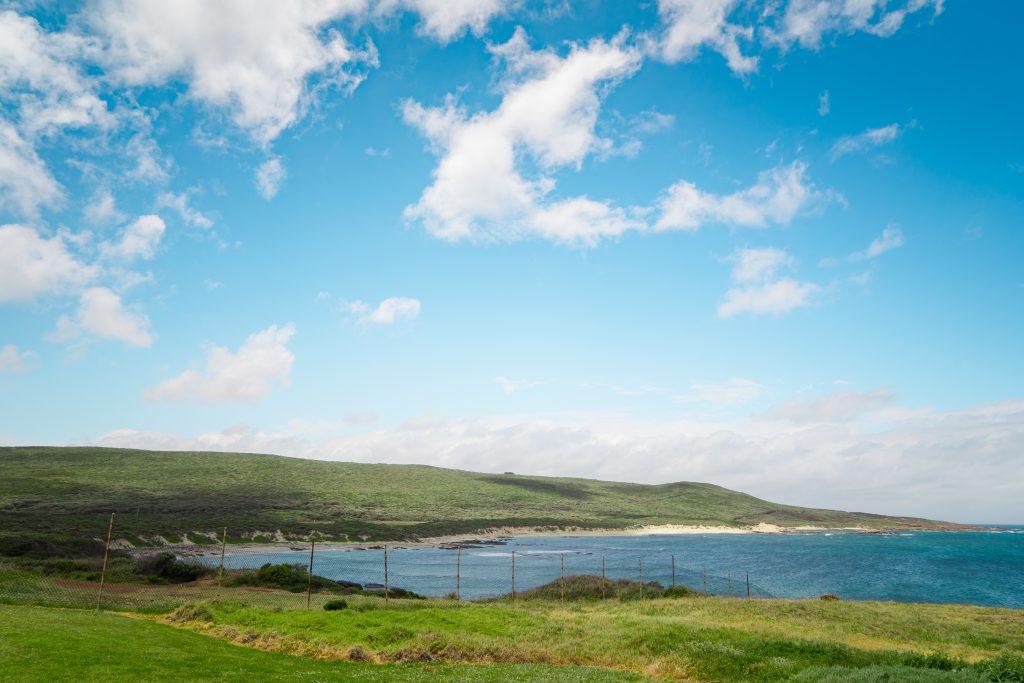
South Florida’s parks are a patchwork of mangroves, hammocks, dunes, and turquoise coves—unexpected wild pockets threaded through one of the nation’s most developed coastlines. In Miami-Dade County you can slip from skyscraper glare into a shaded trail within minutes, join a sunrise paddle through mangrove tunnels, or stand at a historic lighthouse watching pelicans sweep the surf.
These green and blue spaces serve residents and visitors alike, offering recreation, habitat protection, and a living link to the region’s natural and cultural past.
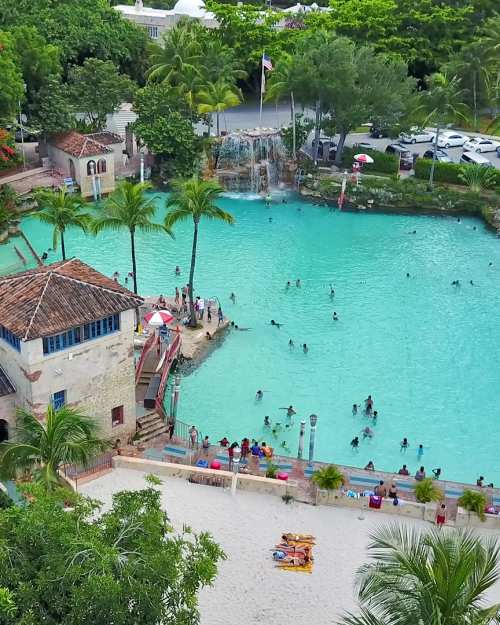
Top parks in the county run the gamut: Everglades National Park’s northern fringes and Shark Valley trails reveal vast wetland rhythms; Biscayne National Park protects coral outcrops, islands and seagrass beds; Oleta River State Park is a paddler and mountain biker’s haven with urban-access trails; Bill Baggs Cape Florida State Park on Key Biscayne combines secluded beaches with a storied 19th century lighthouse; Crandon Park offers family-friendly beaches, dunes and a nature center; Matheson Hammock Park features a scenic atoll pool and mangrove shoreline.
Deering Estate preserves early 20th-century architecture, archaeological sites, and coastal hammock; Tropical Park is a beloved local hub for sports, walking paths, and community events.
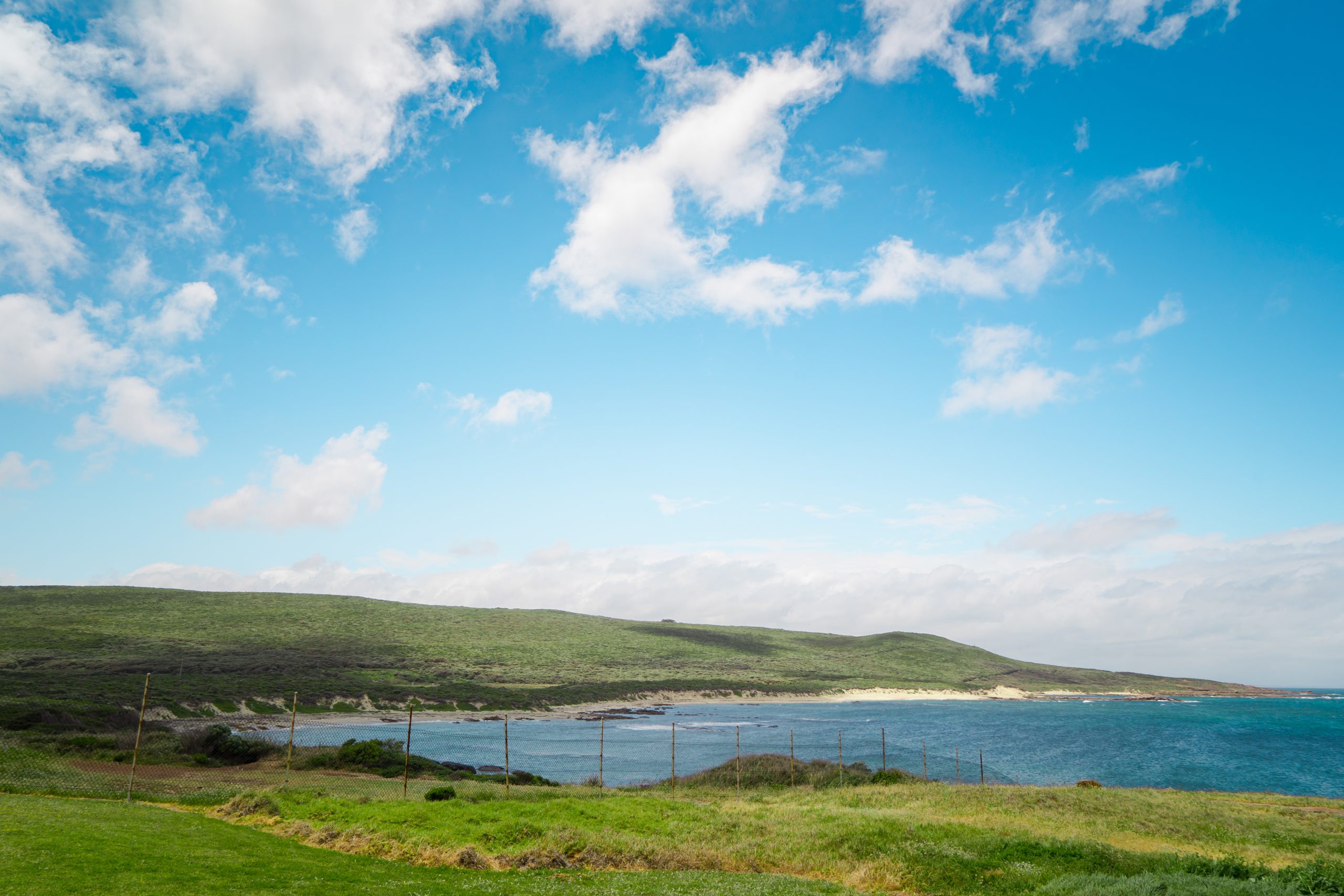
Activities are as varied as the landscapes. Paddle silent estuaries to spy herons and manatees, snorkel along shallow reefs to find rays and colorful fish, or join a guided boat tour to learn about mangrove ecology and reef restoration. Cyclists and trail runners relish Oleta’s singletrack, while families gravitate to Crandon’s calm surf and picnic facilities. In the Everglades, boardwalks and tram tours make wildlife viewing accessible; for the more adventurous, backcountry routes and canoe trips open up farther reaches.
Cultural programs, seasonal festivals, and ranger-led walks at places like Deering Estate and Bill Baggs add historical context and local stories to the outdoor fun. Fishing piers, disc golf courses, dog parks, and designated beach swimming areas ensure there’s something for every age and interest.
Miami-Dade’s park story is rooted in two converging forces: rapid urban expansion and a growing desire to protect fragile coastal and wetland habitats. As early as the first half of the twentieth century, civic leaders and private stewards began setting aside beachfronts, hammock tracts, and estate lands to preserve public access and natural character.
Mid-century conservation efforts, along with federal and state initiatives, brought landmark protections—designating vast areas as part of national parks and creating state parks that safeguarded reefs, mangroves, and recreational shoreline. Historic estates and lighthouse sites were preserved not only for their architecture but for the cultural narratives they hold: tales of early settlers, maritime trade, indigenous history, and the transformation of South Florida’s coastline.
Over recent decades, park management has increasingly combined recreation with restoration—planting native species, removing invasive plants, stabilizing dunes, and investing in trails and educational programming.
The result is a park network that does double duty: it supports biodiversity and climate resilience while providing accessible outdoor experiences for a diverse, growing community. Visiting these places offers a glimpse into the rhythms of Everglades water flow and culture today.