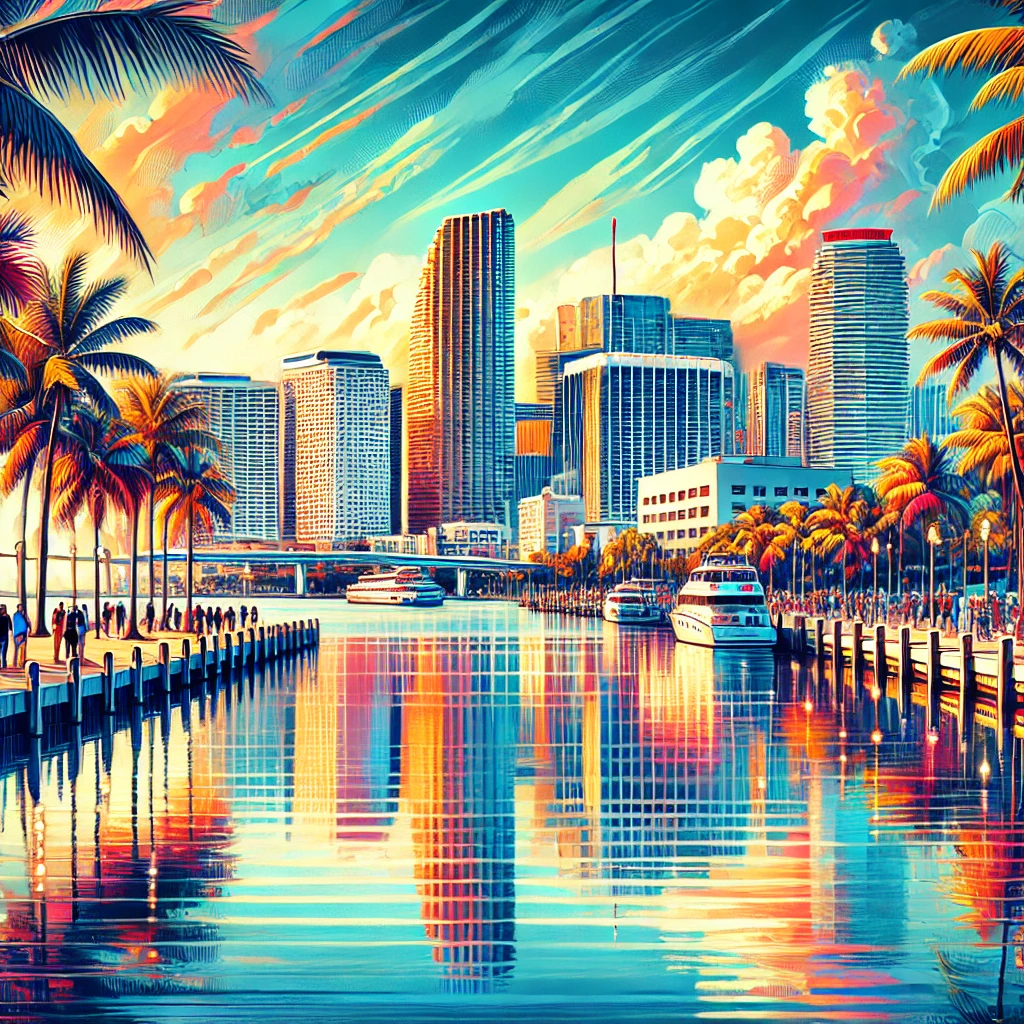
From the first golden glow of morning over Biscayne Bay to the orange streaks of sunset behind mangroves, South Florida’s parks are invitation and refuge. Whether you crave shoreline, hammock, or open lawn, Miami-Dade County packs a surprising variety of green spaces. Here are the must-visits, what to do when you get there, and a short look at how these parks came to be.
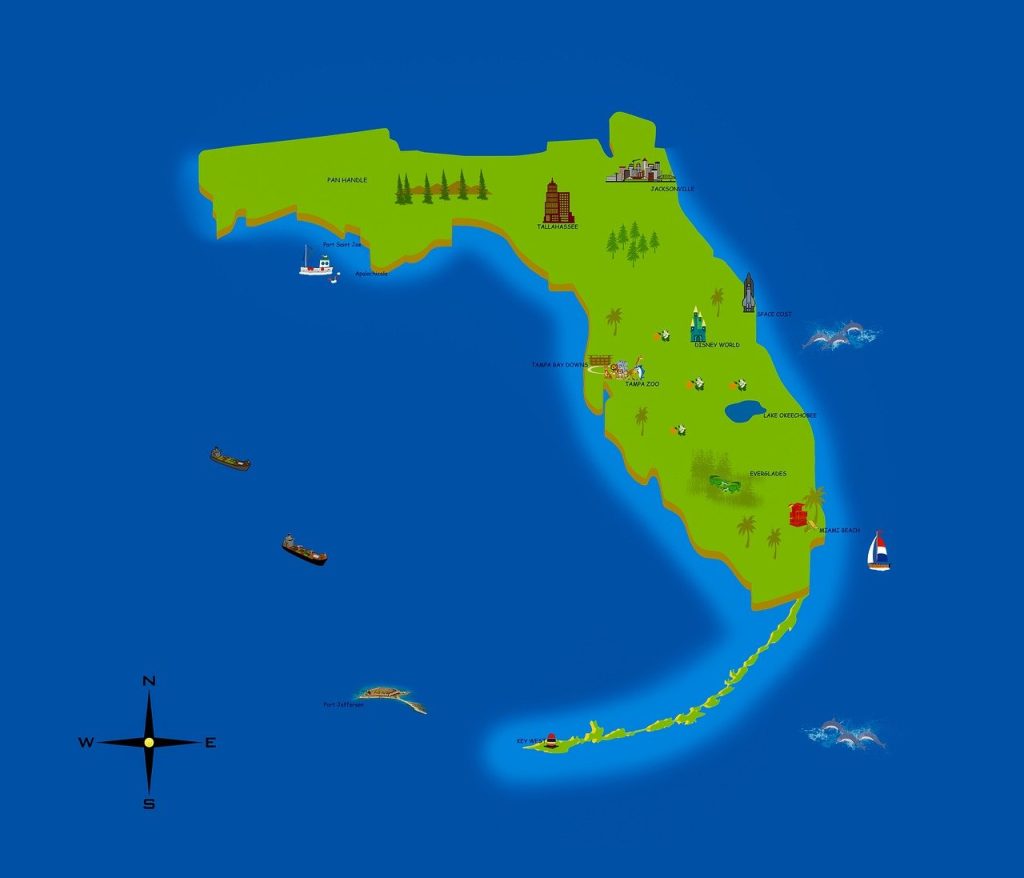
Top parks in Miami-Dade County include Everglades National Park, Oleta River State Park, Crandon Park, Bill Baggs Cape Florida State Park, Matheson Hammock Park, Bayfront Park, Tropical Park, Haulover Park, and Virginia Key Beach Park. Everglades offers vast sawgrass prairies and wildlife viewing. Oleta River is the county’s urban paddling and mountain-biking hub. Crandon and Bill Baggs serve beach lovers with coral sands and historic lighthouses. Matheson blends mangrove creek with picnic pavilions. Bayfront sits downtown with skyline views and frequent concerts. Tropical Park boasts athletic fields, walking loops, and a beloved horse stable. Haulover delivers kite-flying beaches and a lively weekend market. Virginia Key mixes shoreline, a marine stadium, and cultural programming.
Things to do at Miami-Dade parks shift with the seasons and your mood. Early risers can paddle calm estuaries, watching herons and manatees slip through mangroves. Cyclists and trail runners will find sandy singletrack at Oleta or paved loops at Tropical. Families set up umbrellas and beach games at Crandon while anglers cast from piers at Haulover and Bill Baggs. Snorkeling and beginner-friendly diving reveal hidden reefs off Key Biscayne. Bring binoculars for birding—migrant warblers and wading birds parade through the hammocks in spring and fall. For a slower day, join a guided nature walk, take an outdoor yoga class, or picnic beneath towering banyan trees. When night falls, many parks stage film nights, live music, or star‑gazing sessions that let you end the day gently.
The history of parks in Miami-Dade is a story of growth, greed, and guarded beauty. As Miami surged in the early 20th century, developers platted beaches and built boulevards while conservationists pushed to save critical coastal and wetland habitats. Everglades protection movements—championed by advocates like Marjory Stoneman Douglas—helped shift public opinion toward preservation. Mid-century park planning responded to a booming population, with local and state governments acquiring land for recreation and restoration. Over decades, citizen activism, environmental law, and smart design have preserved corridors of green in a region under constant development pressure.
From sunrise paddles to sunset strolls, Miami-Dade’s parks offer a full day’s worth of discovery. Visit with curiosity, leave only footprints, and you’ll help ensure these shorelines, hammocks, and urban oases remain vibrant for the next generation.
Local volunteer programs, native plant gardens, and educational centers help connect residents to the fragile ecosystems that define South Florida. Park rangers and nonprofit groups offer workshops on mangrove restoration, invasive species control, and coastal resilience. Bring reusable gear, stay on boardwalks to protect roots, and consider donating time or money—small acts protect the very landscapes where sunrises and sunsets paint a million perfect park days daily.